Rimba
47
Species Recorded
19
Habitats Studied
7.5K
Field Hours
Rimba is a biodiversity research and conservation project created to better understand local ecosystems and support evidence-based environmental protection. Wanantara collaborated with researchers and conservation partners to document species, study habitats, and identify areas where future conservation efforts could have the greatest impact.
Focus Areas
Biodiversity research
Species documentation
Habitat studies
Conservation planning
Documenting Biodiversity
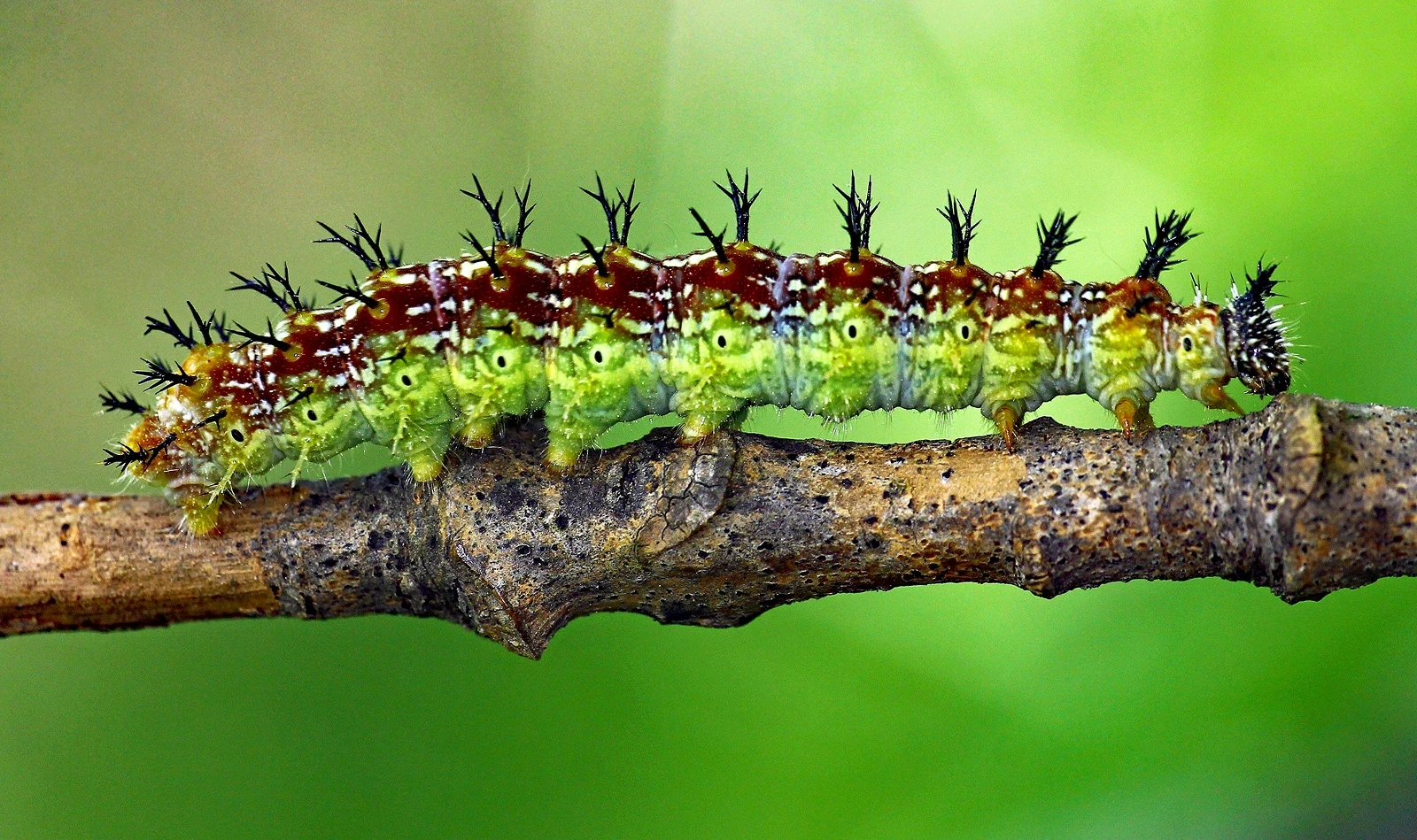
Field researchers conducted surveys across selected habitats to document plant and animal species while monitoring changes in ecosystem conditions.
Key Activities
Species surveys
Habitat mapping
Field observation
Biodiversity documentation
Ecosystem assessment
Approach
The research focused on understanding relationships between species and their surrounding habitats rather than studying individual organisms in isolation.
Turning Data Into Action
Collected field data was organized and analyzed to identify biodiversity hotspots, environmental risks, and priority areas for future conservation.
What We Focused On
Species distribution
Habitat conditions
Ecological patterns
Conservation priorities
Environmental risks
Why It Matters
Reliable environmental data helps conservation teams make better decisions about where restoration, habitat protection, and further research are most needed.
Knowledge for the Future
The project focused on making research useful beyond the initial fieldwork. Findings were shared with conservation partners and communities to support future environmental planning.
Long-Term Actions
Biodiversity monitoring
Research documentation
Data sharing
Conservation planning
Community awareness
Outcome
Rimba created a stronger ecological knowledge base while helping identify priority areas for future biodiversity protection and restoration.

