Arunika
82K
Trees Restored
14
Forest Areas
6.4K
Volunteers
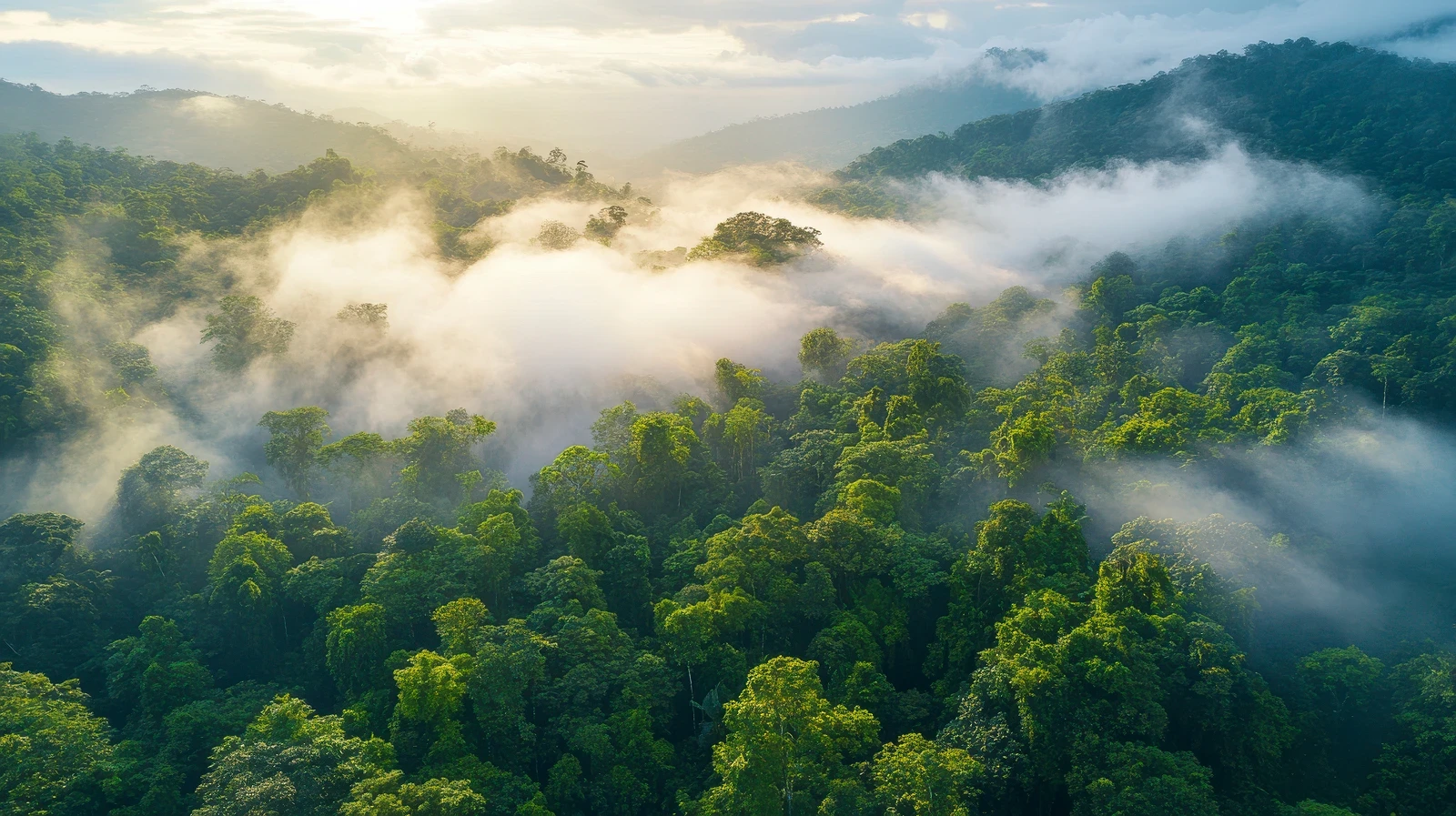
Arunika is a long-term forest restoration initiative focused on recovering degraded landscapes and rebuilding healthy ecosystems through native tree planting. Wanantara worked closely with local communities to understand the condition of each restoration area and develop a strategy suited to its natural environment. Beyond increasing tree coverage, the project aimed to restore biodiversity, improve soil health, and create stronger ecological connections between fragmented forest areas.
Focus Areas
Forest restoration
Native species
Biodiversity recovery
Community participation
Understanding the Landscape
Before restoration began, our team conducted field assessments to understand the environmental conditions affecting each area. The research helped identify suitable restoration zones and establish a strategy based on the natural characteristics of the landscape.
Key Activities
Soil and vegetation assessment
Habitat condition mapping
Water system analysis
Identification of restoration areas
Native species research
Restoring with Native Species
Native trees became the foundation of the restoration strategy. Local nurseries were established to grow species naturally suited to the surrounding ecosystem, while community members participated in planting and early-stage maintenance. The approach encouraged greater biodiversity and helped create habitats for birds, insects, and other wildlife. Each planting area was carefully planned to support gradual ecological recovery rather than focusing solely on the number of trees planted.
Outcome
The initiative restored thousands of trees across multiple forest areas while creating stronger opportunities for local communities to participate in long-term conservation.